Membros
Captain Beefheart
John French
Zoot Horn Rollo
Rockette Morton
Entre Outros
Biografia
Don Van Vliet (/væn ˈvliːt/; born Don Glen Vliet;[2] January 15, 1941 – December 17, 2010), known by his stage name Captain Beefheart, was an American singer, songwriter, multi-instrumentalist, and visual artist.[3] Conducting a rotating ensemble known as the Magic Band, he recorded 13 studio albums between 1967 and 1982. His music blended elements of blues, free jazz, rock, and avant-garde composition with idiosyncratic rhythms, absurdist wordplay, and Vliet’s gravelly singing voice with a wide vocal range.
Known as an enigmatic persona, Beefheart frequently constructed myths about his life and was known to exercise extreme, dictatorial control over his supporting musicians.[6] Although he achieved little commercial success, he sustained a cult following as an influence on an array of experimental rock and punk-era artists.[7]
He began performing in his Captain Beefheart persona in 1964, when he joined the original Magic Band line-up. The group’s 1969 album Trout Mask Replica would rank 58th in Rolling Stone magazine’s 2003 list of the 500 greatest albums of all time.[8][9][10]
Beefheart eventually formed a new Magic Band with a group of younger musicians and regained critical approval through three final albums: Shiny Beast (1978), Doc at the Radar Station (1980) and Ice Cream for Crow (1982). In 1982, he retired from music and pursued a career in art. His abstract expressionist paintings and drawings command high prices, and have been exhibited in art galleries and museums across the world.[11][12][13][14]
Early life
Van Vliet was born Don Glen Vliet in Glendale, California,[15][16] on January 15, 1941, to Glen Alonzo Vliet, a service station owner from Kansas, and Willie Sue Vliet (née Warfield), who was from Arkansas.[2] Van Vliet said that he was descended from adventurer and author Richard Halliburton and related to actor Slim Pickens, and that he remembered being born.[17][18]
Vliet began painting and sculpting at age three.[19] His subjects reflected his “obsession” with animals, particularly dinosaurs, fish, African mammals and lemurs.[20] Considered a child prodigy, at age four he was featured with his animal sculptures on a Los Angeles television program. At the age of nine, he won a children’s sculpting competition organized for the Los Angeles Zoo in Griffith Park by local tutor and sculptor, Agostinho Rodrigues.[21]
During the 1950s, Vliet worked as an apprentice with Rodrigues, who considered him a prodigy.[4][22][23] Van Vliet said that he was a lecturer at the Barnsdall Art Institute in Los Angeles at the age of eleven,[24] although it is likely he simply gave a form of artistic dissertation.[25] He said that his parents discouraged his interest in sculpture, due to their perception of artists as “queer”. According to Van Vliet, they declined several scholarship offers, including one from the local Knudsen Creamery to travel to Europe with six years’ paid tuition to study marble sculpture.[26] Their denial of this opportunity made him so bitter that he abandoned his art until he was twenty-three.[27]
When he was 13, the family moved to the farming town of Lancaster, in the Mojave Desert, where there was a growing aerospace industry supported by nearby Edwards Air Force Base. It was an environment that would greatly influence Vliet creatively.[25] He remained interested in art; several of his paintings were later used as covers for his albums.[28] He developed his taste and interest in music, listening to the Delta blues of Son House and Robert Johnson, jazz artists such as Ornette Coleman, John Coltrane, Thelonious Monk and Cecil Taylor, and the Chicago blues of Howlin’ Wolf and Muddy Waters.[25][29][30] Vliet socialized with members of local bands such as The Omens and The Blackouts. The Omens’ guitarists, Alexis Snouffer and Jerry Handley, who would later found The Magic Band; The Blackouts’ drummer was Frank Zappa.[31][32][33] Van Vliet collaborated with Zappa on his scripts for “teenage operettas”, one of which was “Captain Beefheart & the Grunt People”.[34] The earliest known recording of both Beefheart and Zappa is “Lost in a Whirlpool”, recorded c. 1958–59 and included in the 1996 posthumous Zappa album The Lost Episodes
Álbuns
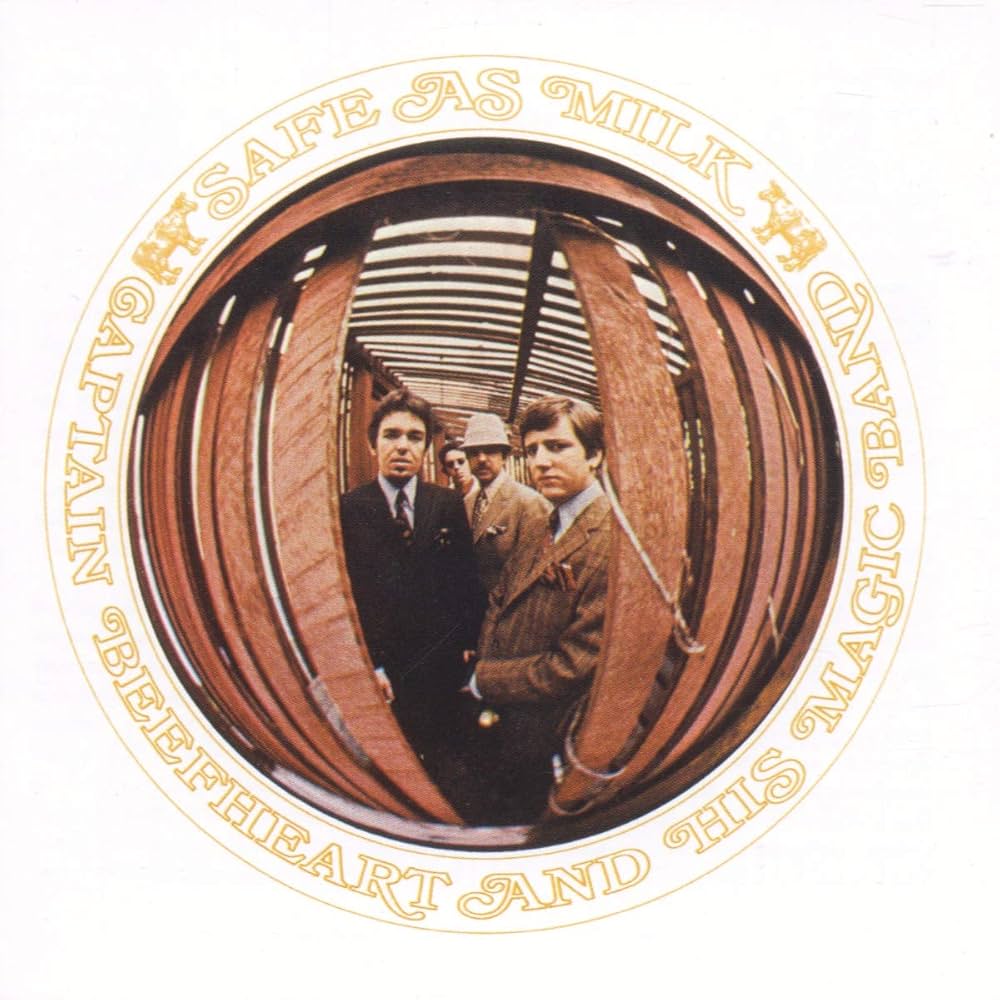
Safe As Milk
1967
Stricly Personal
1968
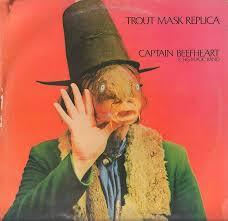
Trout Mask Replica
1969
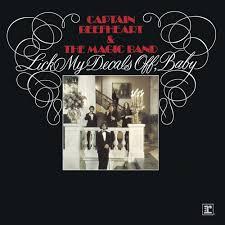
Lick My Decals Off, Baby
1970
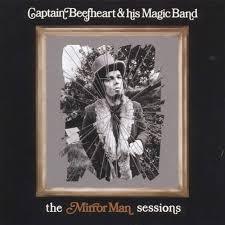
The Mirror Man
1971
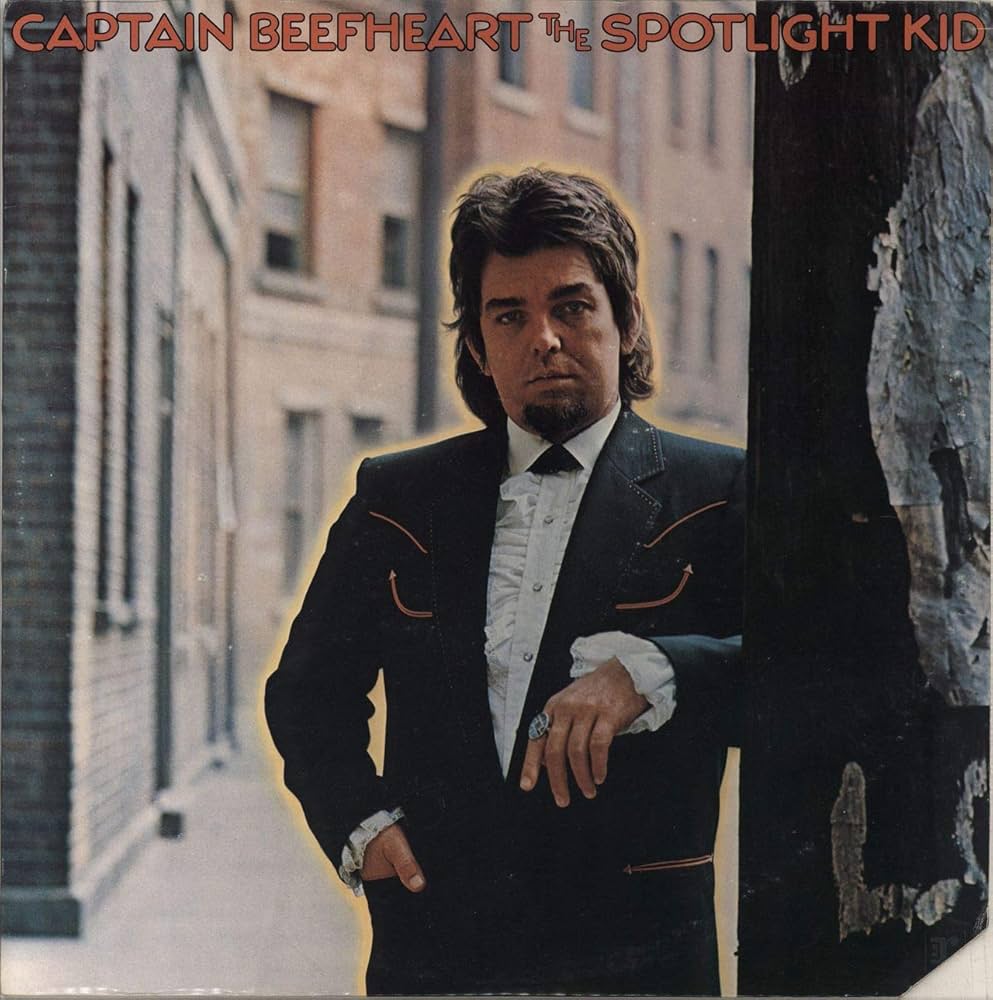
The Spotlight Kid
1972
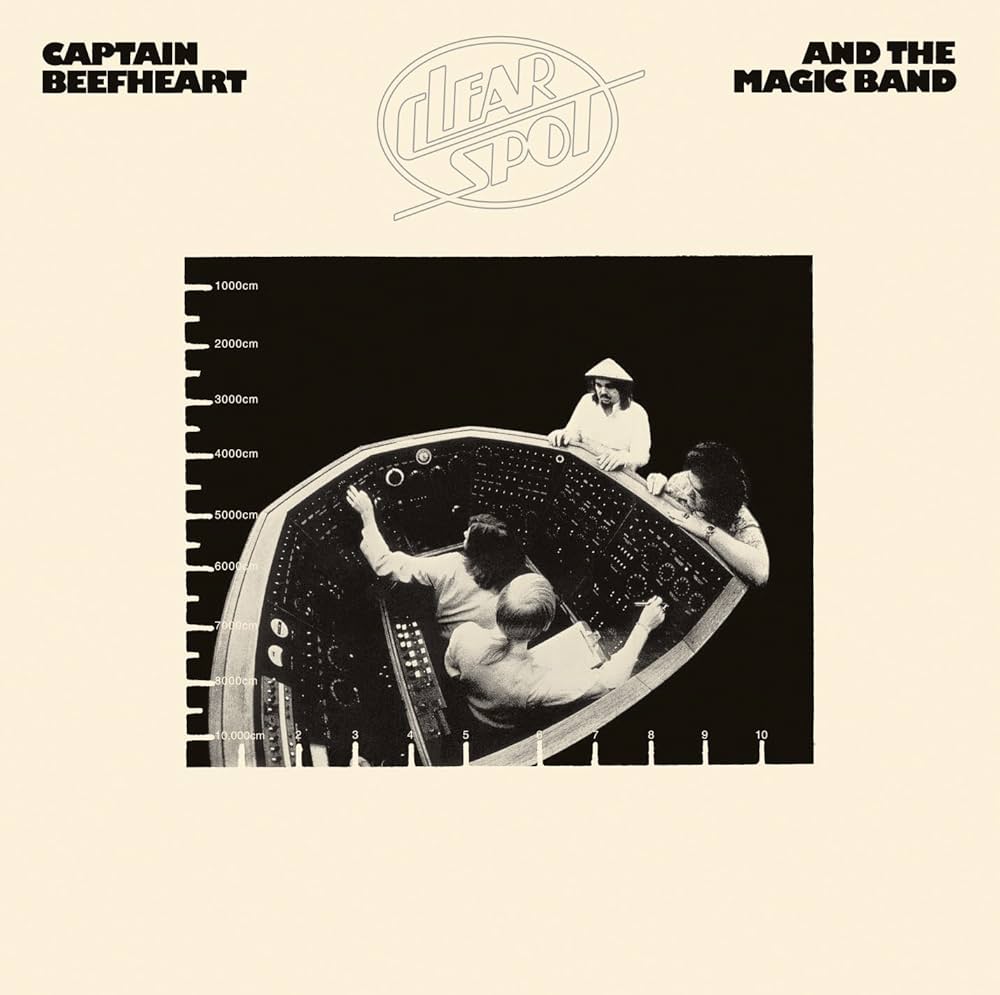
Clear Spot
1972
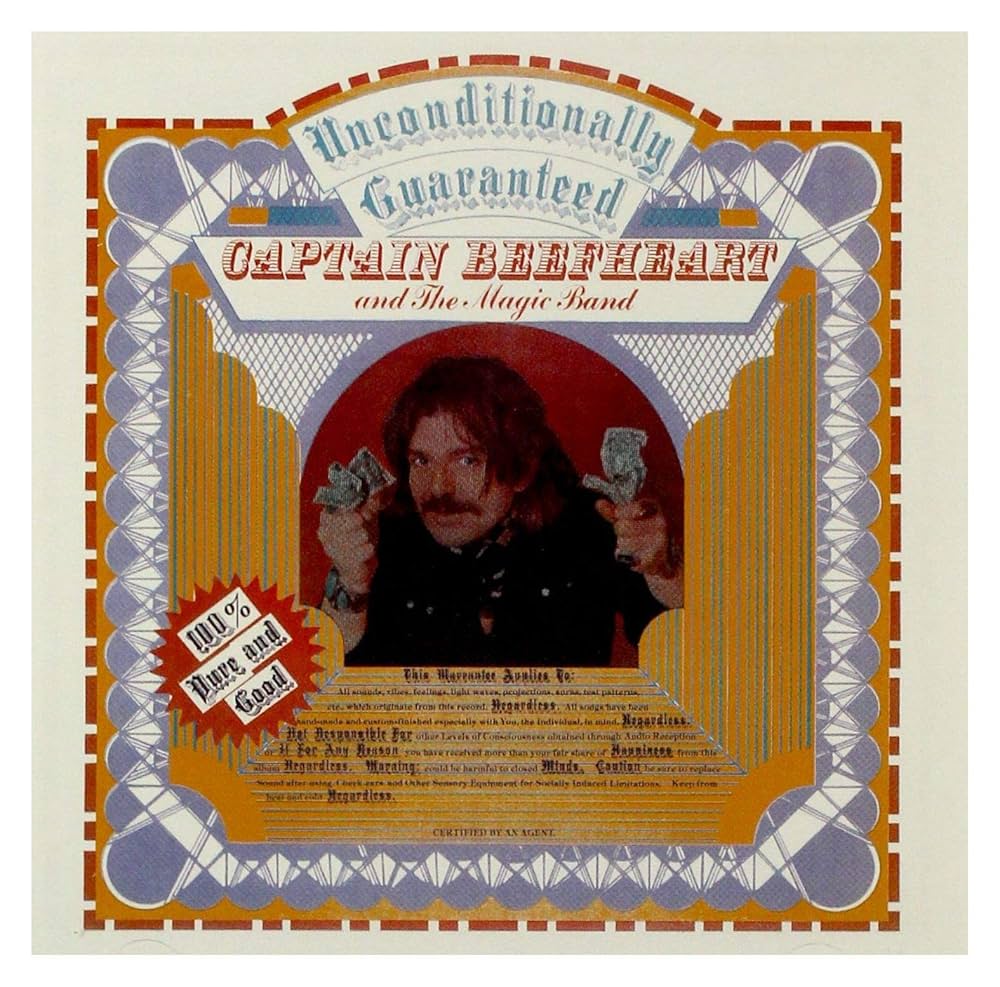
Unconditionally Guaranteed
1974
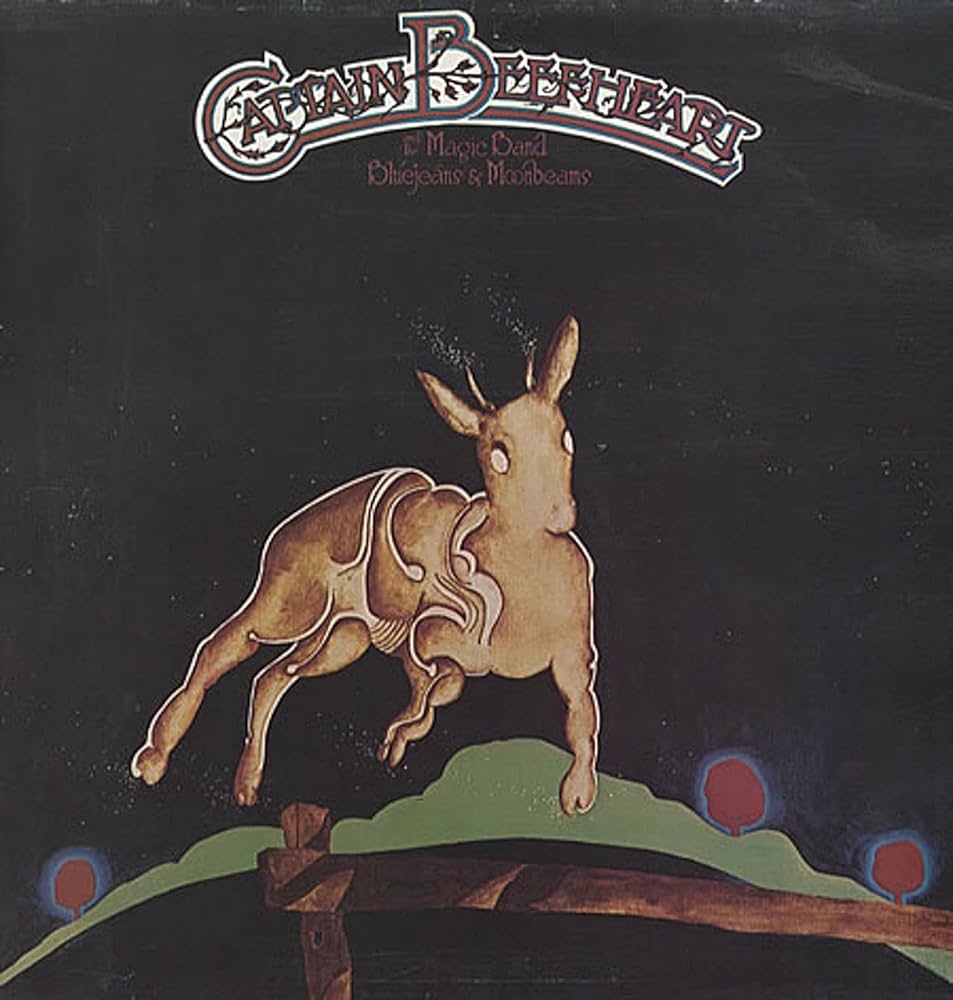
Bluejeans & Moonbeams
1974
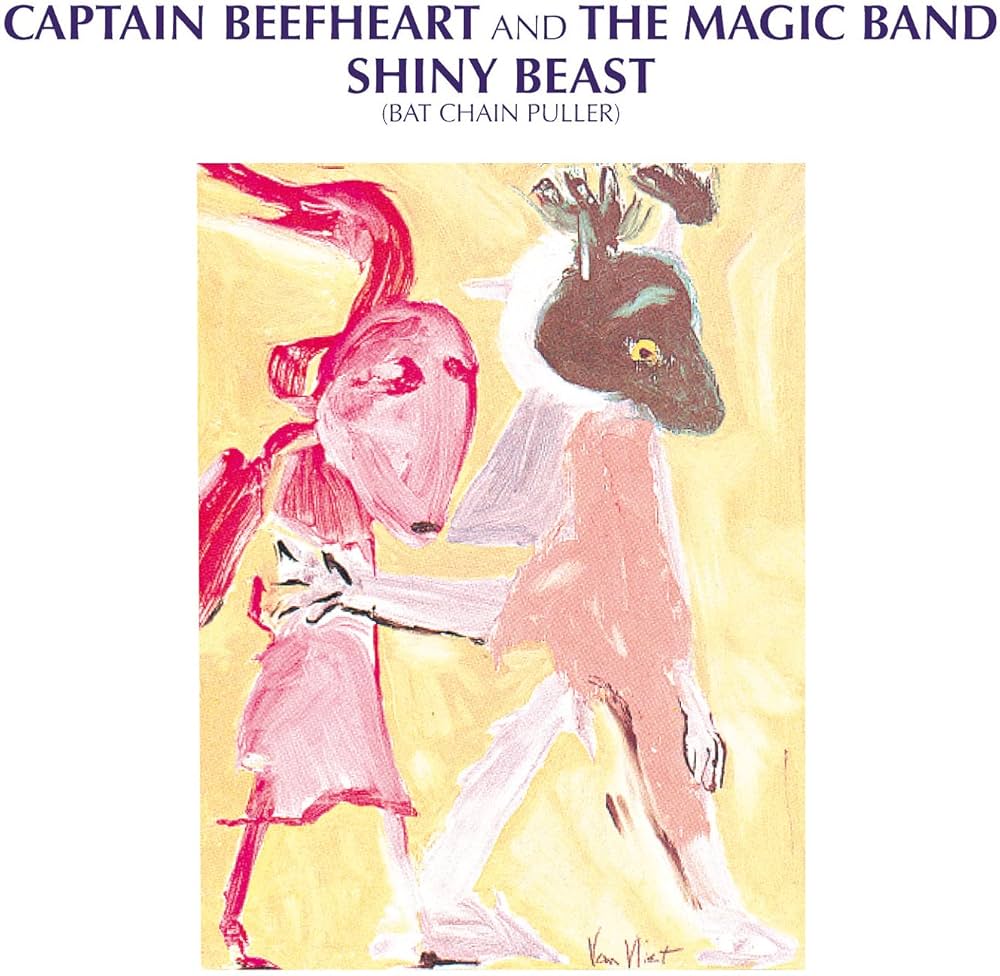
Shiny Beast (Bat Chain Puller)
1978
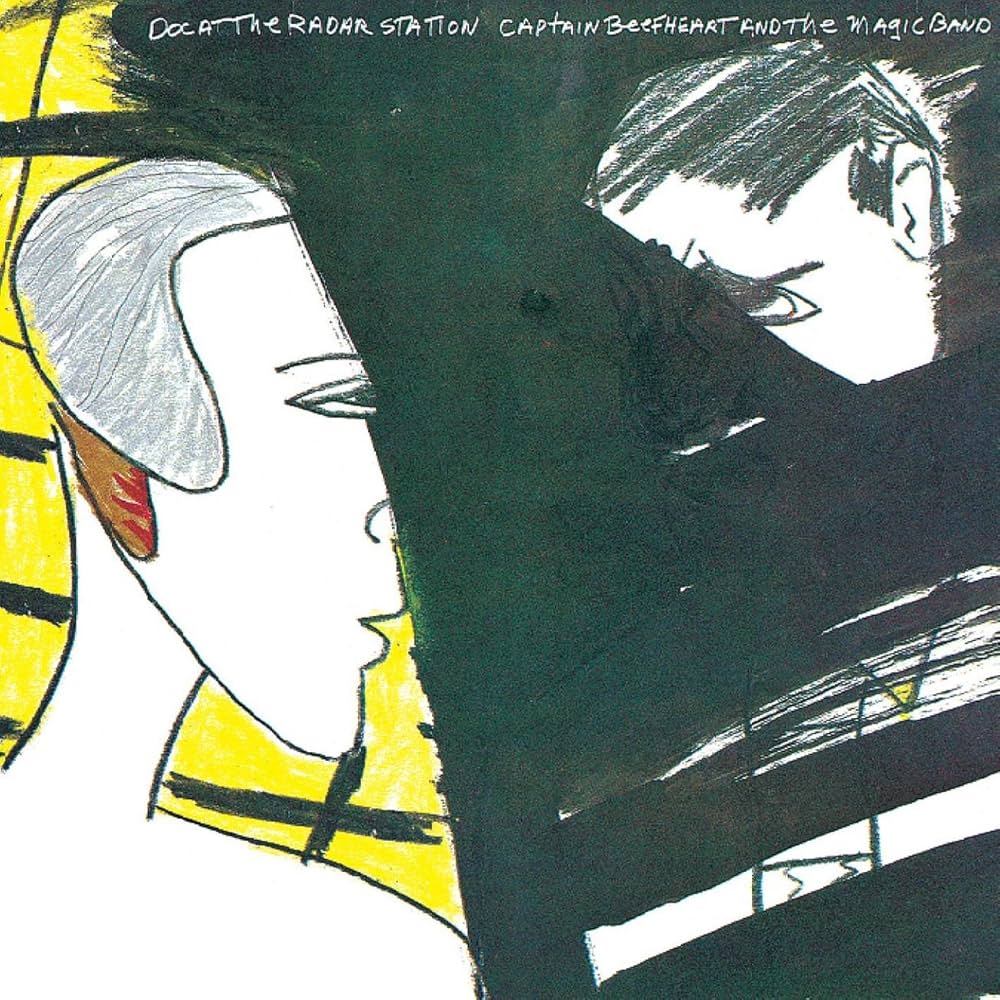
Doc at the Radar Station
1980
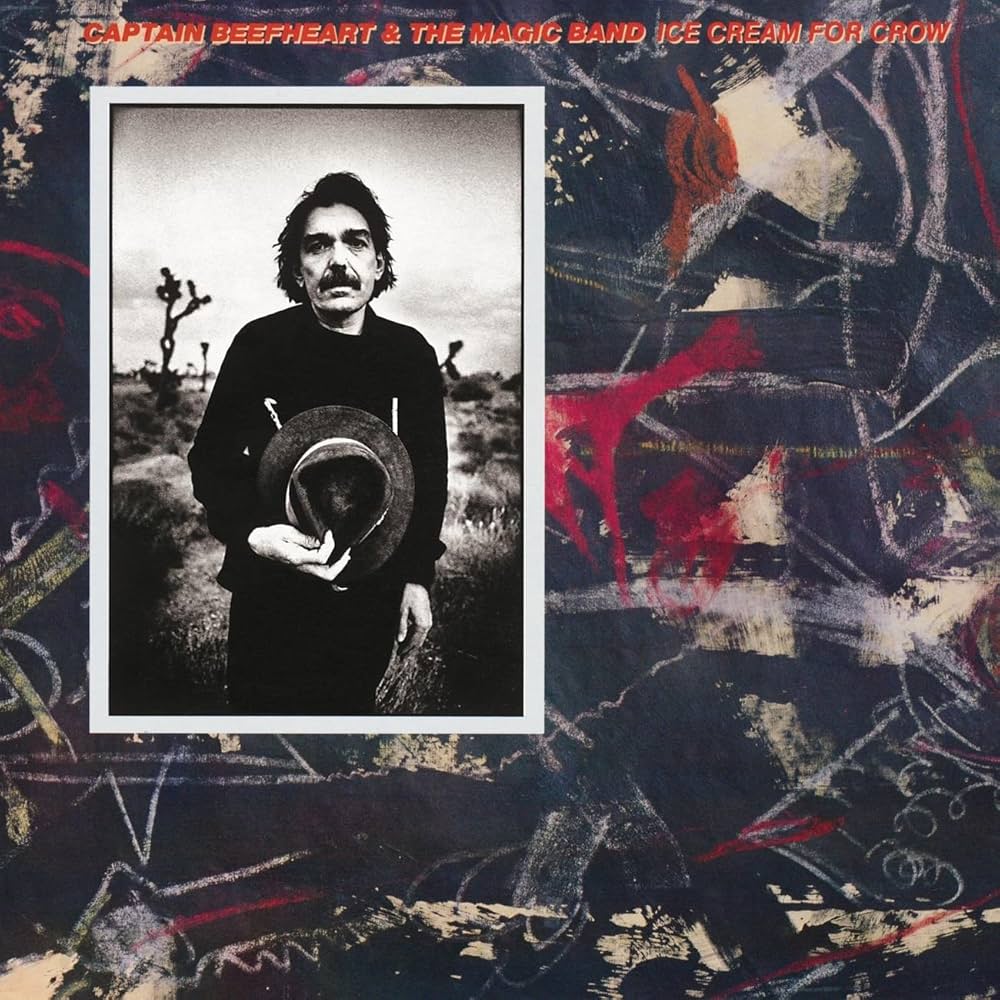
Ice Cream For Crow
1982